
How Online Home Valuations Work in East Tennessee—and When to Ask a Local Expert
How Online Home Valuations Turn Data Into a Number
It is easy to see why online home value tools are so popular. In a few clicks, a property owner can enter an address, review an estimated value, and start thinking about refinancing, listing, or long-term planning. That convenience is useful, especially in a market like East Tennessee where prices can shift from one community to the next based on lot size, views, updates, and housing supply. Still, the estimate on a screen is best understood as a starting point rather than a final answer.
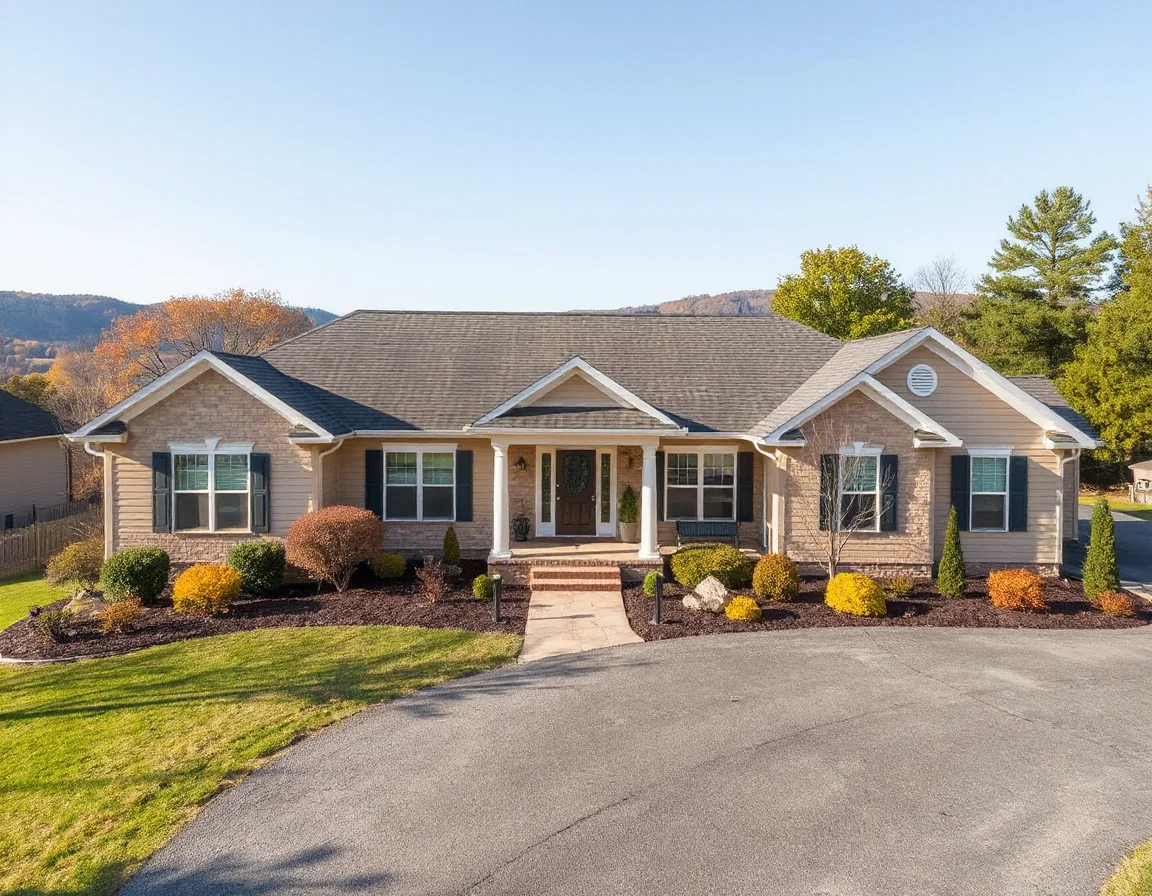
Most online valuation platforms rely on automated valuation models, often called AVMs. These systems pull from public records, recent comparable sales, tax data, square footage, bedroom and bathroom counts, lot dimensions, and broader neighborhood pricing trends. The software compares a subject property to other nearby homes with similar characteristics and then applies an algorithm to estimate market value. When the available data is accurate and the home closely matches nearby sales, the estimate can be reasonably close.
But AVMs have limits. They cannot always see what buyers and sellers notice immediately in person: the quality of a renovation, the appeal of a mountain view, the impact of a steep driveway, or whether a finished lower level feels seamless or disconnected from the rest of the house. In East Tennessee, where terrain, lake access, acreage, and varied housing styles all influence pricing, those details matter. Two homes with the same square footage may perform very differently in the market because one has updated systems and a more functional layout while the other needs repairs or backs to a busy road.
Another important factor is timing. Online values often lag behind current market activity because they depend on recorded sales and published data. If buyer demand rises quickly in one part of the region, or if inventory tightens in a price band, an AVM may not fully reflect that change right away. The opposite can also happen when the market cools, mortgage rates shift, or a seasonal slowdown changes negotiating patterns. The estimate may look precise, but the market itself is always moving.
Why East Tennessee Homes Can Be Harder to Estimate by Algorithm Alone
East Tennessee includes a wide mix of property types, and that variety is exactly where automated tools can struggle. A compact in-town home, a newer subdivision property, a cabin-style house on sloped land, and a home with extra acreage may all sit within the same general area while appealing to different segments of the market. A national algorithm can identify patterns, but it may miss the local pricing nuance that comes from day-to-day exposure to actual buyer behavior.
Location specifics matter too, but not in a broad or generic way. The distance to employment centers, access routes, outdoor recreation, schools, retail corridors, medical facilities, and regional amenities can influence how buyers compare homes. So can practical questions such as road frontage, usable yard space, septic versus sewer, or whether an addition appears to be fully integrated with the original structure. In hilly terrain, topography alone can change value, maintenance expectations, and how a property competes with recent sales.

Condition is another major blind spot. If a homeowner has invested in a new roof, HVAC system, flooring, kitchen updates, or exterior improvements, an AVM may not recognize the full effect unless that information is reflected somewhere in the available data. Likewise, if a property needs foundation work, cosmetic repairs, or outdated finishes are affecting buyer perception, the algorithm may overestimate the likely sale price. Real estate markets respond to visible condition and buyer confidence, not just numbers on a property record card.
That is why online estimates can vary widely from one site to another. Each company uses its own formula, data sources, and weighting system. One tool may emphasize tax assessments more than another. A second may put greater importance on recent sales radius. A third may smooth out pricing trends in a way that works for dense urban housing but is less effective in a region with wider lot variations and more custom homes. Seeing three different numbers for the same property is not unusual; it simply shows that automated tools are interpreting incomplete information in different ways.
When an Instant Estimate Is Useful—and When It Is Not Enough
Online home values are helpful for broad planning. If you are tracking your equity position, thinking about future improvements, comparing general market movement, or deciding whether now is the right time to gather more information, a digital estimate can be a practical first step. It can also help homeowners build a rough baseline before speaking with a professional.
Where these tools become less reliable is when a decision carries financial weight. If you are preparing to list a property, considering an offer, dividing assets, appealing a tax assessment, planning an estate, or deciding whether to make pre-sale repairs, a more tailored opinion is usually worth the extra step. In those situations, details matter too much to rely on a range generated by an algorithm that has never walked through the home.
A local expert can compare truly relevant sales, adjust for updates and lot characteristics, evaluate competition currently on the market, and explain how buyers are reacting right now. That last point is especially valuable. Closed sales tell part of the story, but active listings, pending sales, showing activity, price reductions, and days on market reveal the direction of the market in real time. A well-informed pricing strategy depends on all of it.
What a Local Pricing Review Adds
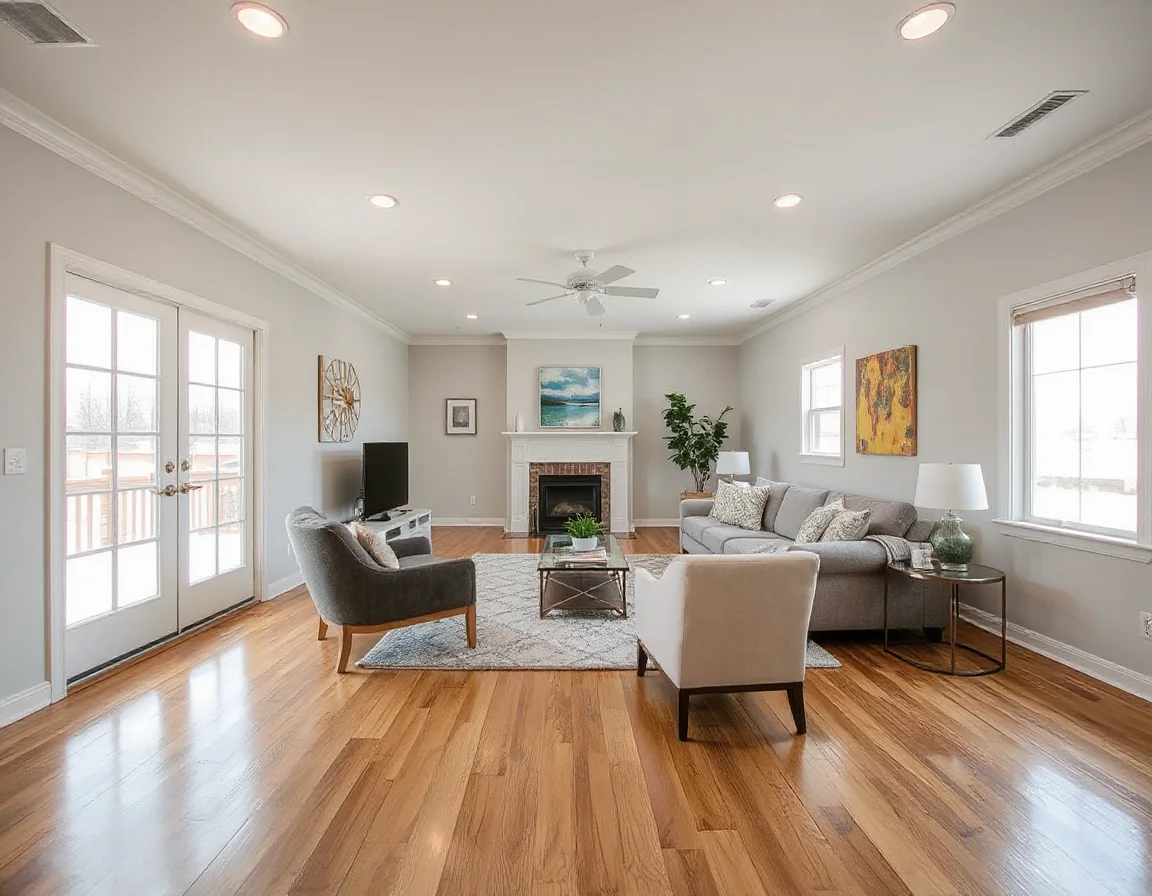
A local pricing review goes beyond square footage and recent sales. It considers whether the floor plan feels current, whether outdoor spaces add usable value, how the property compares with nearby competition, and which improvements are likely to matter most to buyers. It also allows for a conversation about goals. A homeowner planning a near-term sale may need a sharper pricing strategy than someone simply monitoring long-term equity.
In East Tennessee, that local lens can be especially important because homes often have features that are not easy to standardize. A covered porch with a ridge view, a detached workshop, a partially finished basement, a gently sloped yard, or proximity to a lake or trail network can all influence demand. The value effect depends on how those features compare with alternatives currently available and how buyers in that specific area are responding.
Working with a local real estate professional also gives homeowners context, not just a number. Instead of seeing a single estimate with no explanation, you can learn why a home may be positioned in a certain range, what improvements could affect pricing, and whether market conditions favor acting now or waiting. That kind of insight is often the difference between a rough estimate and a plan.
Online valuations are convenient, fast, and worth using as an early research tool. For many homeowners, they are the first step in understanding where a property may stand in today’s market. But when accuracy matters, local knowledge becomes the real advantage. A tailored review from East Tennessee Real Estate Professionals can help translate broad online data into a clearer picture of what your home may command in the current East Tennessee market.